Physiotherapy Services in Kochi

Assessment-led physiotherapy for pain, injury, post-surgical recovery and long-term mobility problems — at our clinic in Kochi or at your home across Ernakulam.

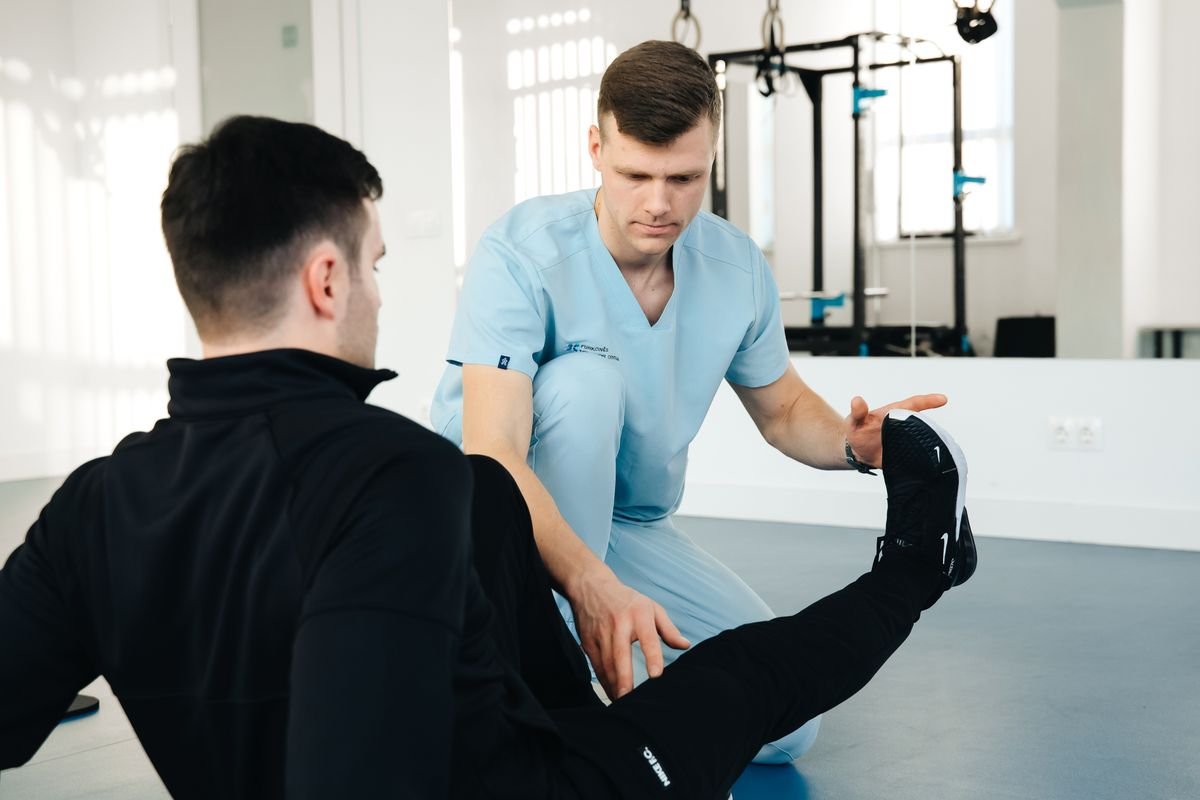
A physiotherapist supporting a patient's leg during an orthopaedic assessment

Bones, joints & muscles

Orthopaedic Physiotherapy

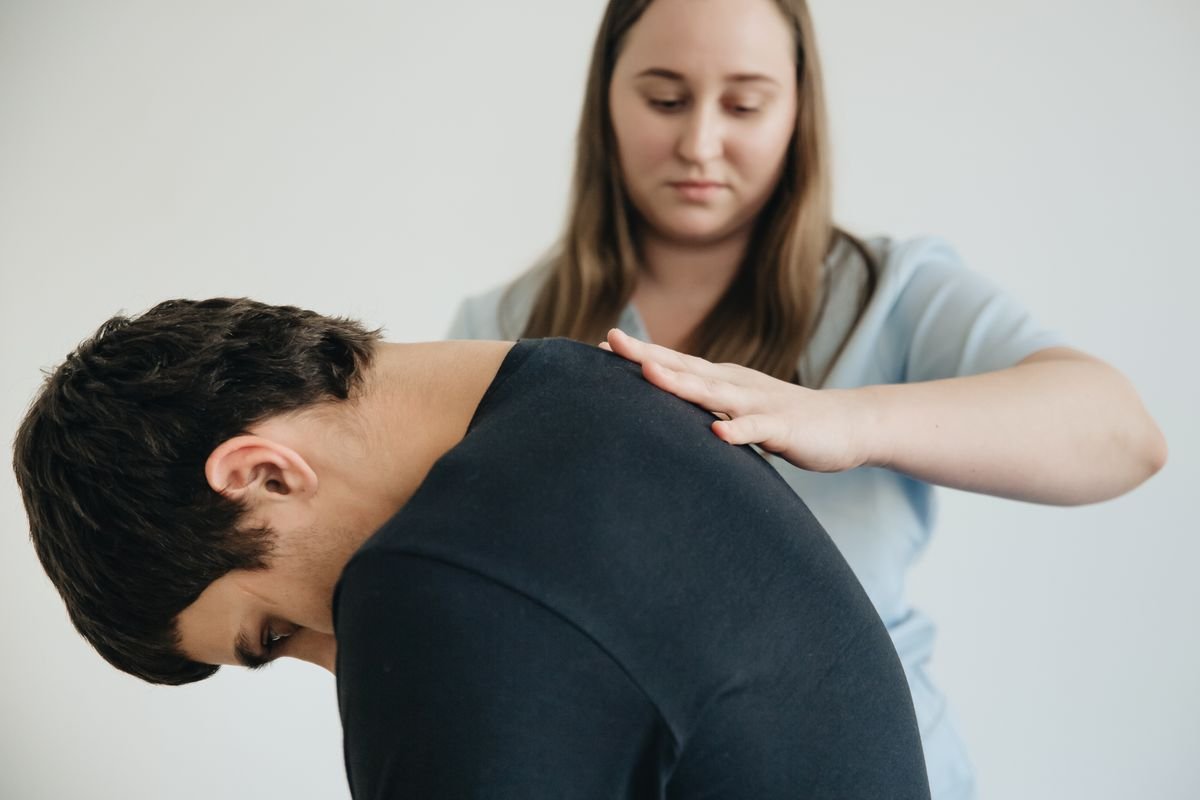
Orthopaedic physiotherapy addresses pain and restricted movement coming from muscles, joints, ligaments and tendons. We start by identifying what is actually driving your symptoms — posture, weakness, stiffness, overload or an old injury — and then build a programme that reduces pain and rebuilds capacity, step by step.

Conditions commonly addressed

  • Neck pain and cervical spondylosis
  • Low back pain and disc-related pain
  • Frozen shoulder and rotator cuff pain
  • Knee osteoarthritis and joint stiffness
  • Tennis elbow and wrist pain
  • Ankle sprains and heel pain

Treatment approach

  • Detailed movement and strength assessment
  • Manual therapy and joint mobilisation
  • Graded strengthening and stretching
  • Taping and support where useful
  • Electrotherapy as a short-term adjunct
  • Posture, workstation and activity advice

Benefits you can expect

  • Less pain during daily activity
  • Improved joint range and flexibility
  • Stronger muscles supporting the joint
  • Confidence to return to work and exercise

Who may benefit

Adults with joint or muscle pain, people recovering from a sprain or strain, desk-based workers with neck and back complaints, and anyone whose movement has become limited by pain.
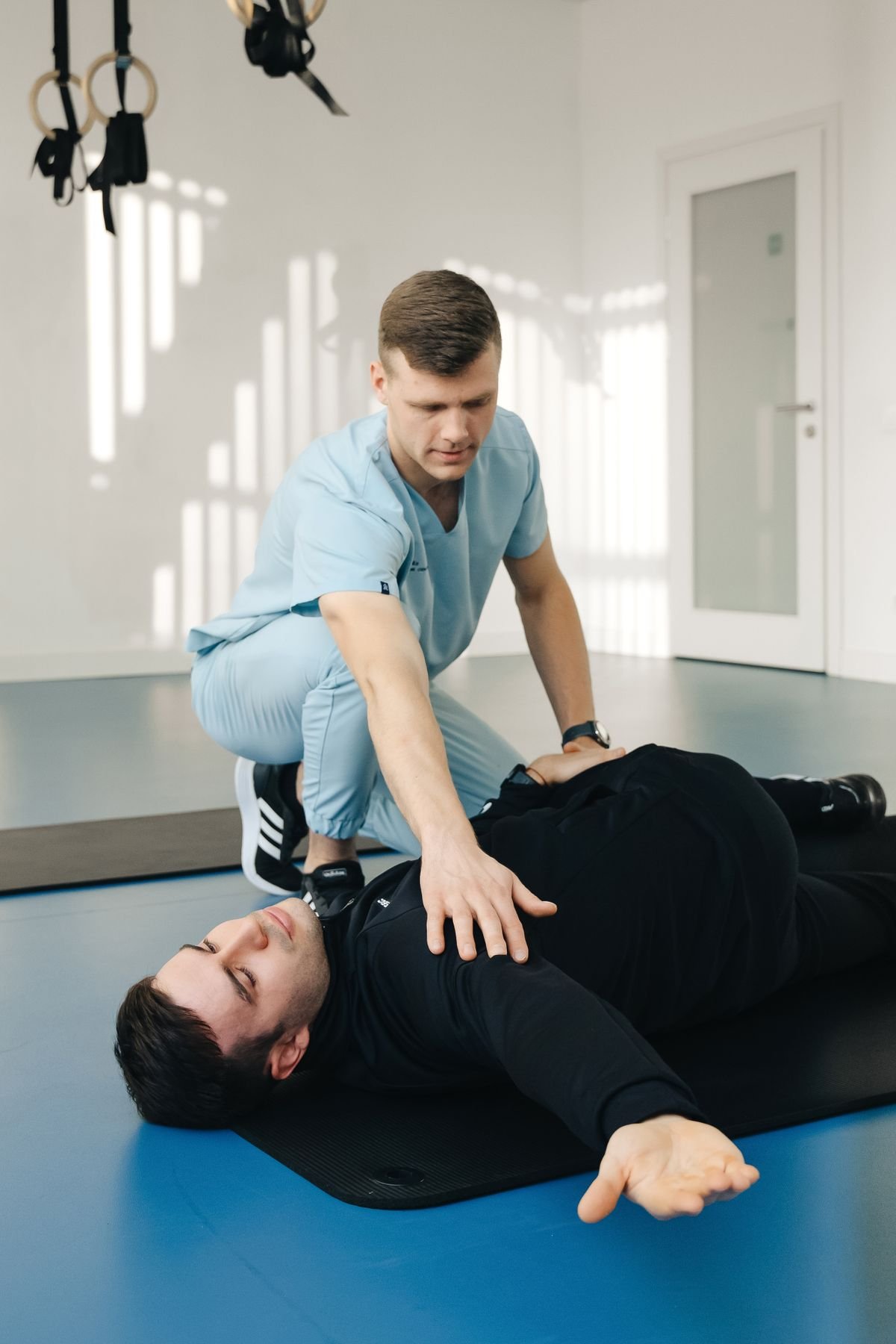
A physiotherapist guiding a patient through floor-based movement retraining

Brain, nerves & movement

Neurological Physiotherapy

When a neurological condition affects movement, balance or coordination, rehabilitation works best when it is repetitive, task-specific and built around what matters to you — standing up safely, walking to the gate, holding a cup. We train those tasks directly and involve the family so progress continues between sessions.

Conditions commonly addressed

  • Stroke and hemiplegia
  • Parkinson's disease
  • Multiple sclerosis
  • Spinal cord injury
  • Facial palsy (Bell's palsy)
  • Peripheral neuropathy and balance disorders

Treatment approach

  • Functional and balance assessment
  • Task-specific repetitive training
  • Gait re-education and walking practice
  • Tone, spasticity and positioning management
  • Transfers, bed mobility and safety training
  • Carer training and home adaptation advice

Benefits you can expect

  • Better balance and reduced fall risk
  • More independence in daily tasks
  • Improved walking quality and endurance
  • Practical support for the whole family

Who may benefit

People recovering after a stroke, those living with a progressive neurological condition, and families who need guidance on safe handling and daily care at home.

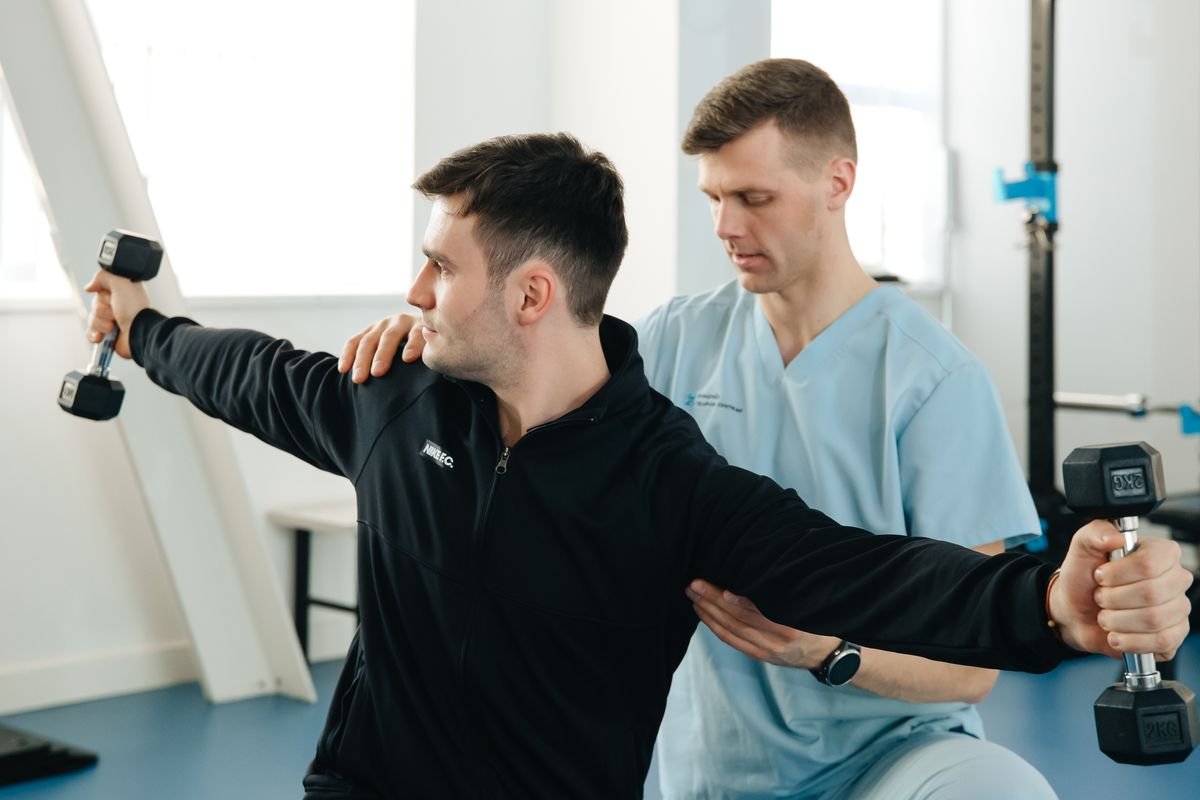
A physiotherapist supporting a patient during a shoulder strengthening exercise with a dumbbell

Return to play

Sports Injury Rehabilitation

Returning to sport too early is the most common reason injuries come back. We rehabilitate in clear stages — settle the injury, restore range, rebuild strength, then reintroduce speed, change of direction and sport-specific load — and only clear you when the milestones are genuinely met.

Conditions commonly addressed

  • ACL, PCL and meniscus injuries
  • Ankle and knee ligament sprains
  • Hamstring, calf and groin strains
  • Rotator cuff and thrower's shoulder
  • Shin splints and stress-related pain
  • Tendon overload injuries

Treatment approach

  • Injury and biomechanics assessment
  • Pain and swelling management
  • Progressive strength and power work
  • Agility, landing and plyometric training
  • Sport-specific drill progression
  • Objective return-to-play criteria

Benefits you can expect

  • Structured, measurable progress
  • Lower risk of re-injury
  • Restored strength and movement control
  • Clear timelines you can plan around

Who may benefit

Recreational and competitive athletes, gym-goers, and active people of any age who want to get back to their sport without repeating the same injury.

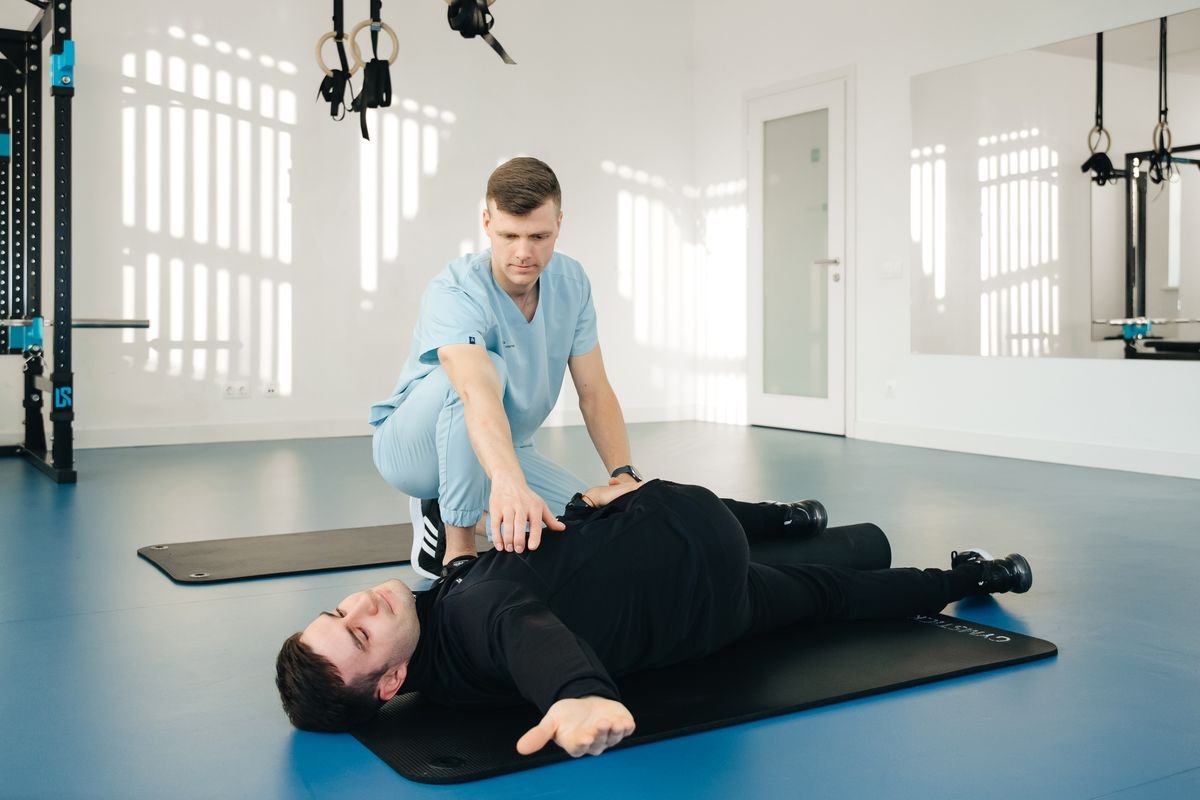
A physiotherapist working with a patient lying on a mat during post-operative rehabilitation

After your surgery

Post-Surgical Rehabilitation

The weeks after surgery shape your long-term result. We work within your surgeon's protocol to protect the repair while restoring movement, strength and walking at the right pace — at our clinic or at home when travelling is difficult in the early stage.

Conditions commonly addressed

  • Total knee and hip replacement
  • ACL and other ligament reconstruction
  • Spine surgery (discectomy, fusion)
  • Fracture fixation and post-plaster stiffness
  • Rotator cuff and shoulder repair
  • Tendon and ligament repair

Treatment approach

  • Protocol-aligned early mobilisation
  • Swelling, scar and wound-area care
  • Range-of-motion restoration
  • Progressive strengthening
  • Walking, stairs and transfer re-education
  • Home exercise plan with review points

Benefits you can expect

  • Reduced stiffness and swelling
  • Safer, earlier return to walking
  • Better long-term joint function
  • Clear guidance on do's and don'ts

Who may benefit

Patients discharged after orthopaedic or spinal surgery who want supervised, well-paced rehabilitation — including those who prefer the first few weeks at home.

Need help choosing the right treatment?

Our physiotherapy team will assess your condition and recommend the most suitable approach.

Book Consultation
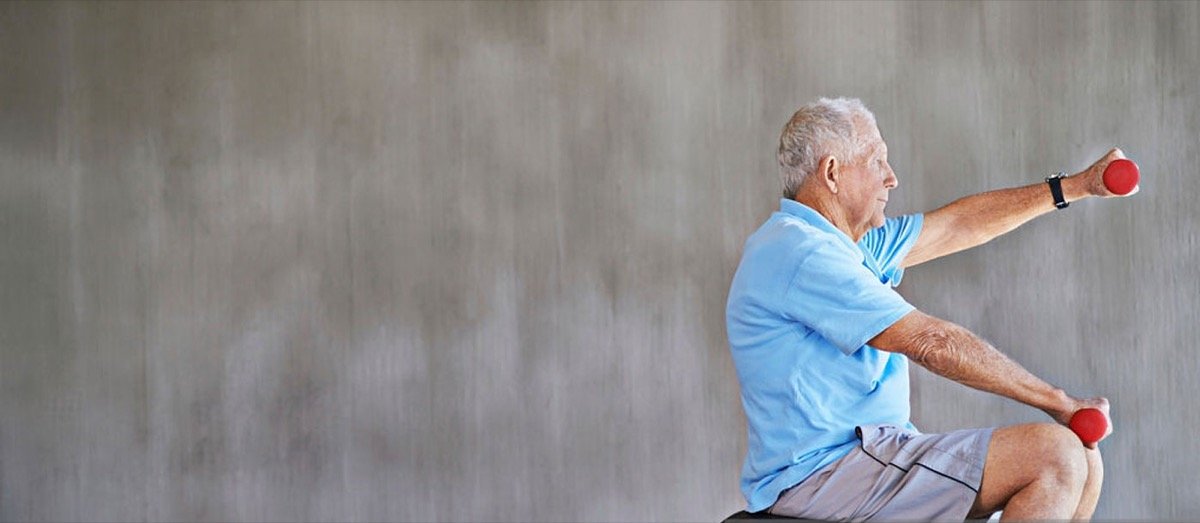
An older adult performing a seated strengthening exercise with light dumbbells

Care for older adults

Geriatric Physiotherapy

For older adults, physiotherapy is about protecting independence. Small, consistent gains in leg strength, balance and confidence make a real difference to walking, getting out of a chair and moving safely around the house. Sessions are paced gently and explained clearly.

Conditions commonly addressed

  • Arthritis and joint pain
  • Balance problems and falls
  • Post-fracture recovery (hip, wrist, spine)
  • General weakness and deconditioning
  • Osteoporosis-related concerns
  • Reduced mobility after illness or hospital stay

Treatment approach

  • Falls-risk and mobility screening
  • Strength and balance programme
  • Safe transfers and chair-to-stand practice
  • Walking aid selection and training
  • Home-safety suggestions
  • Family and attender guidance

Benefits you can expect

  • Steadier walking and fewer near-falls
  • Easier daily activities
  • Maintained independence at home
  • Reassurance for the family

Who may benefit

Older adults living at home, patients recovering after a fall or fracture, and families arranging physiotherapy support for elderly parents.

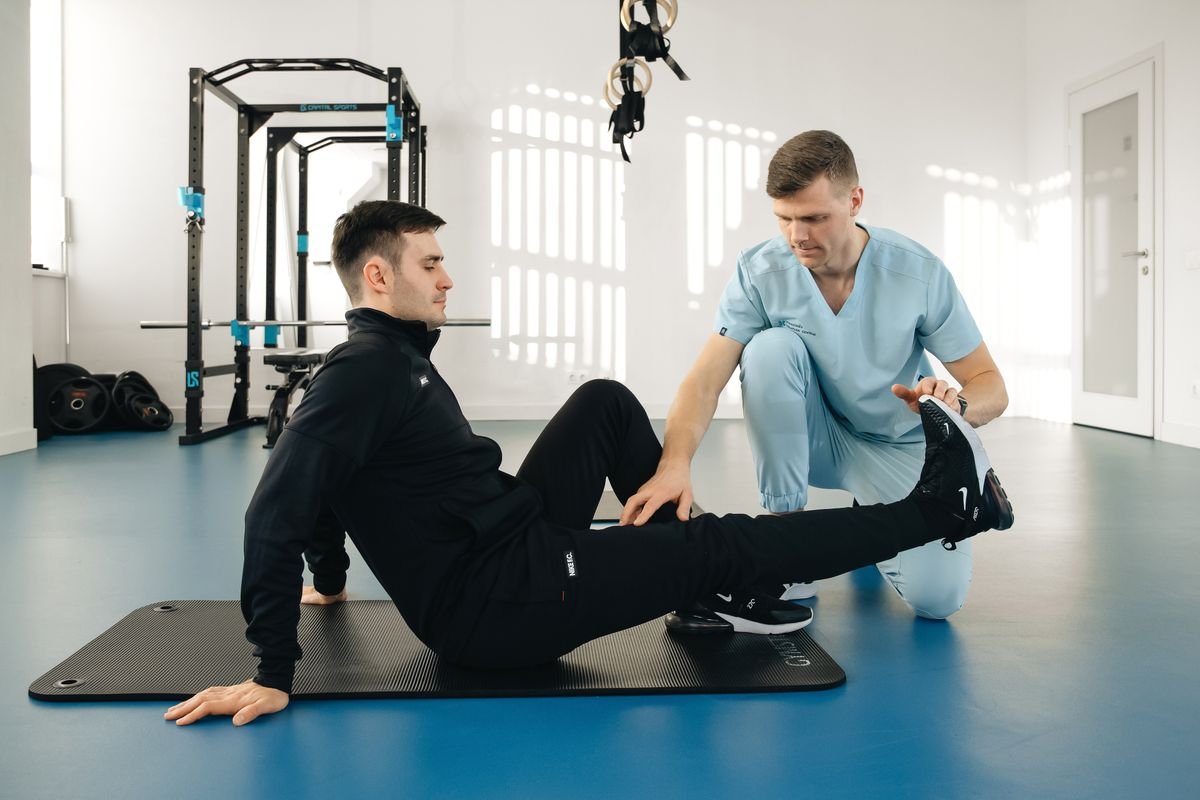
A physiotherapist coaching a patient through a seated exercise programme

We come to you

Home Physiotherapy

Home physiotherapy removes the hardest part of recovery for many patients — the journey. Our physiotherapist brings the required equipment, assesses your condition in the space where you actually move every day, and trains your family in safe handling. Sessions are scheduled around your routine.

Conditions commonly addressed

  • Bedridden and post-ICU patients
  • Post-stroke rehabilitation at home
  • Early post-operative recovery
  • Elderly patients who cannot travel
  • Chronic pain limiting travel
  • Palliative and long-term care support

Treatment approach

  • Home visit assessment
  • Portable therapy equipment brought to you
  • Bed mobility, transfers and positioning
  • Chest care and breathing exercises where indicated
  • Carer and attender training
  • Session plan that fits your home and routine

Benefits you can expect

  • No travel or waiting time
  • Therapy in your real environment
  • Family involved and confident
  • Consistent, comfortable sessions

Who may benefit

Patients for whom travelling to a clinic is difficult or unsafe, and families who want professional physiotherapy delivered at home across Kochi and Ernakulam.

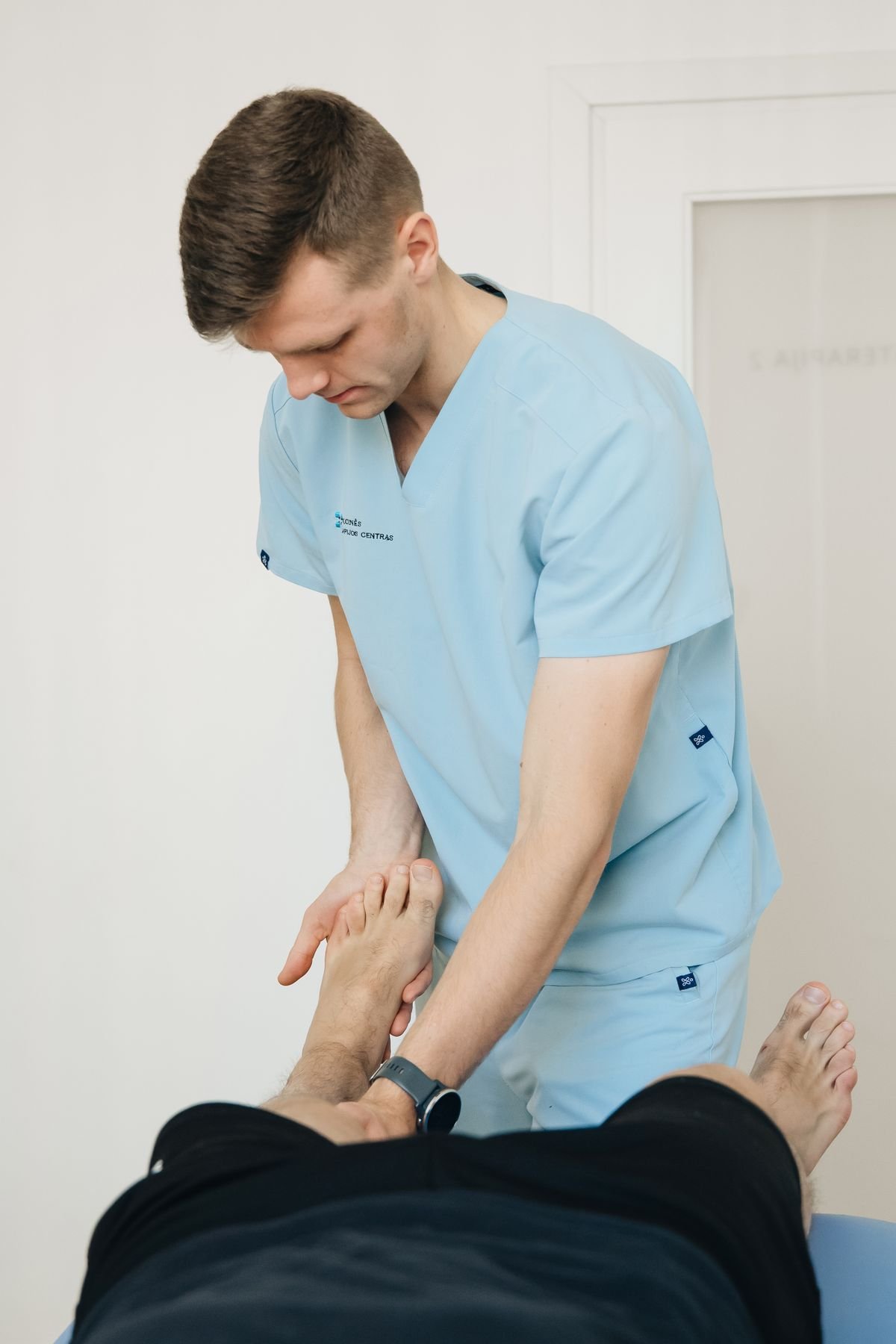
A physiotherapist applying manual therapy to a patient's foot and ankle

Persistent & chronic pain

Pain Management

Long-standing pain rarely responds to rest alone. We combine hands-on treatment with graded activity, pacing and pain education so that you can gradually do more with less flare-up — and understand why your pain behaves the way it does.

Conditions commonly addressed

  • Chronic low back pain
  • Sciatica and nerve-related leg pain
  • Cervical radiculopathy and arm pain
  • Myofascial and trigger-point pain
  • Headaches arising from the neck
  • Widespread persistent pain

Treatment approach

  • Thorough pain and function assessment
  • Manual and soft-tissue therapy
  • Graded activity and pacing plans
  • Electrotherapy as a short-term adjunct
  • Pain education and self-management
  • Sleep, stress and lifestyle guidance

Benefits you can expect

  • Better control over flare-ups
  • Improved tolerance for daily activity
  • Less reliance on rest and avoidance
  • Practical tools you can use yourself

Who may benefit

People whose pain has lasted longer than expected, or who have tried several treatments without a clear, structured plan.

A physiotherapist guiding a patient through a seated mobility exercise

Everyday function

Mobility & Functional Rehabilitation

This is rehabilitation measured in real tasks: standing from a chair without help, walking to the shop, climbing your own staircase, getting in and out of a car. We set those goals with you and train the strength, balance and endurance each one needs.

Conditions commonly addressed

  • Difficulty walking or standing up
  • Deconditioning after a long illness or ICU stay
  • Post-fracture mobility loss
  • Amputee rehabilitation and prosthetic training
  • Wheelchair-to-walking progression
  • Reduced stamina and general weakness

Treatment approach

  • Functional goal setting with the patient
  • Gait training and walking practice
  • Transfer and stair training
  • Endurance and stamina building
  • Assistive device training
  • Progress review against agreed goals

Benefits you can expect

  • Measurable improvement in daily tasks
  • More confidence moving around
  • Less dependence on help
  • Goals that mean something to you

Who may benefit

Anyone whose day-to-day movement has become limited — after illness, surgery, prolonged bed rest or a period of inactivity.

WhatsApp us Call now